
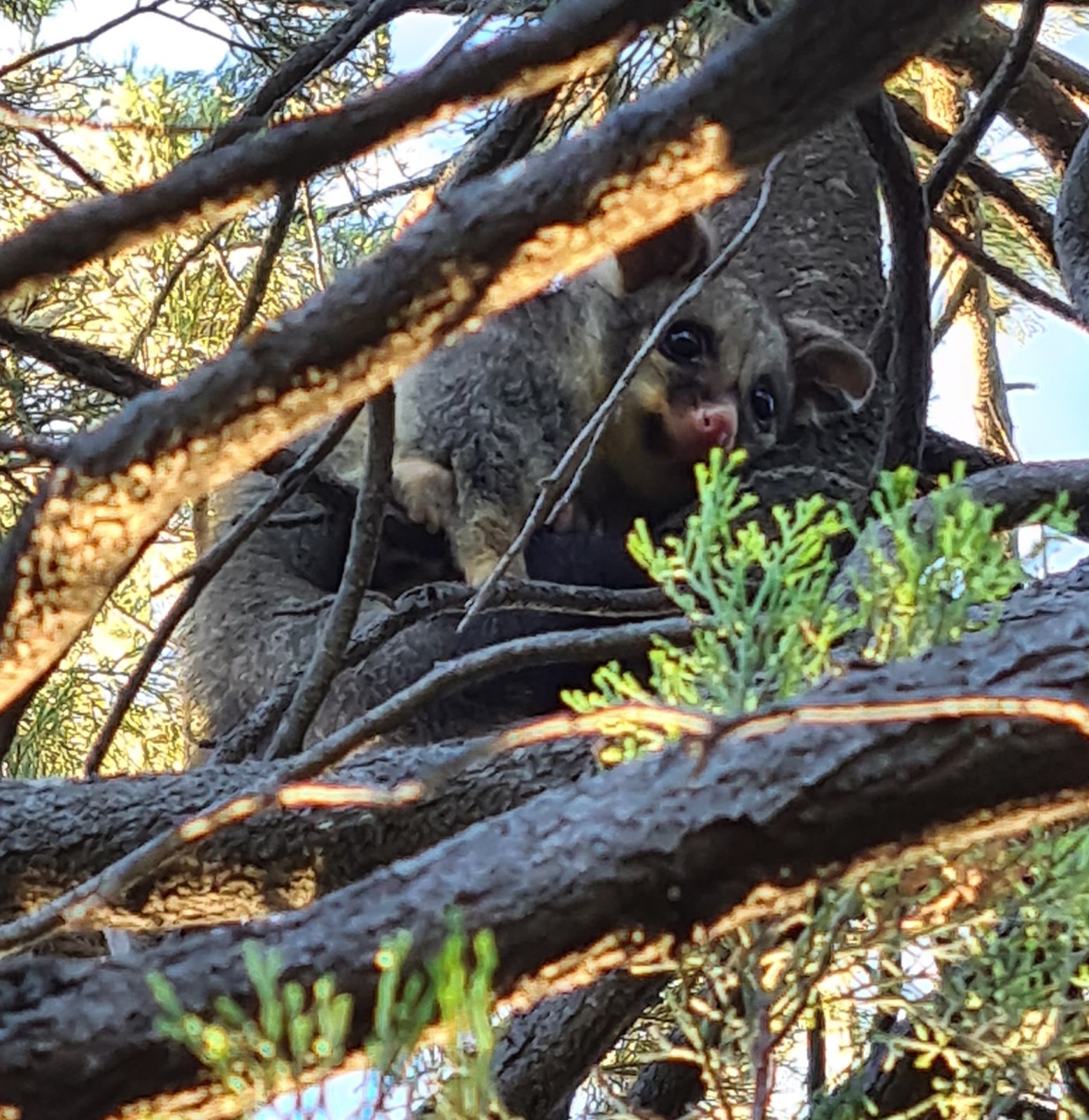
For those just arriving at this website, Framing Speciesism is a research activism blog by me, Emily Major, that explores how we ‘frame’ (or think about) nonhuman animal species. The current project focuses on framing brushtail possums in Aotearoa New Zealand, which was the subject of my doctoral research at the University of Canterbury in Christchurch, New Zealand. I have dedicated my life to serve all species of animals, particularly those who are discarded, exploited, or demonised.
Conservation in New Zealand is often discussed in polarising ways, where native species are pitted against non-native species. The general consensus – in my opinion, at least – is that being native equals being valuable, and being non-native equals being unvaluable (or even detrimental, depending on the species). However, it is much more complicated than that and conservation narratives are missing the mark.
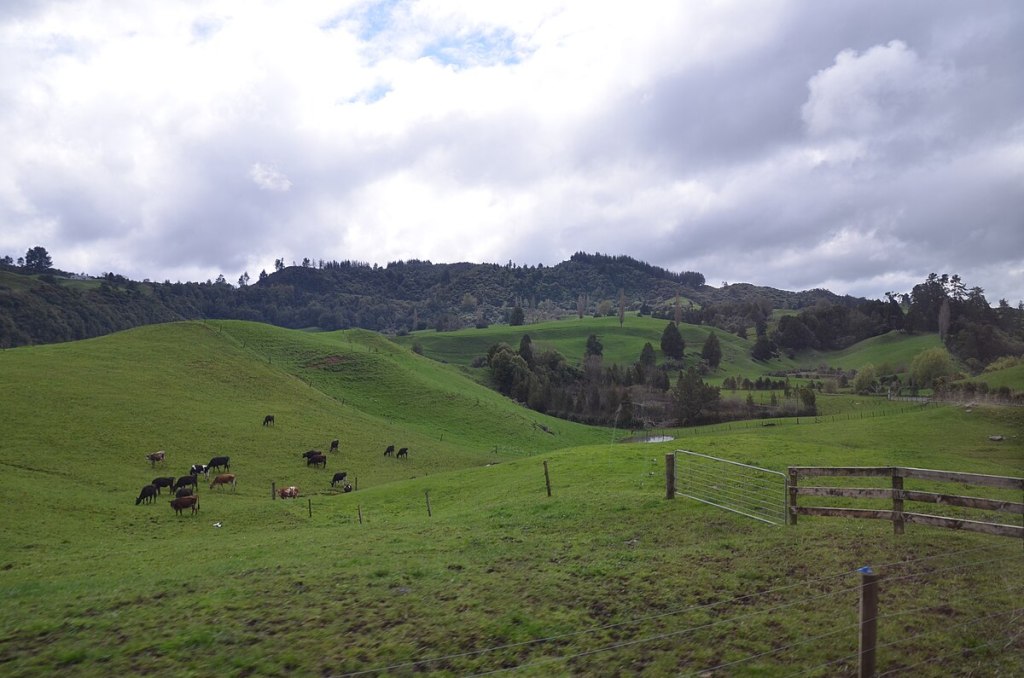
I thought about this whenever I took a short drive outside of Christchurch, the city I lived in for six years during my studies. Most of what you would see as you drive out are hedgerows upon hedgerows and endless expanses of farmland, overpopulated with grazing cattle and sheep. While I love all animals and enjoy seeing them when I can, it always struck me how New Zealand can despise some non-native species, such as ‘pests’, but praise others, such as those used as ‘resources’, ‘game’ animals, or those we keep as ‘pets’1.
Recently, I wrote an academic journal article (access for free here2) which argued that the field of social work should be concerned with addressing cruelty to possums (mainly as there are potential repercussions, that extend beyond just possums and nonhuman animals, that could dangerously snowball and impact the field of social work if this cruelty is left unabated). While that is a discussion for another day, I created a species belonging diagram in the article that visualises how I see the intersection of nativity, controllability, and perceived worth/value (see diagram below). I’d like to discuss that chart here.

By Emily Major
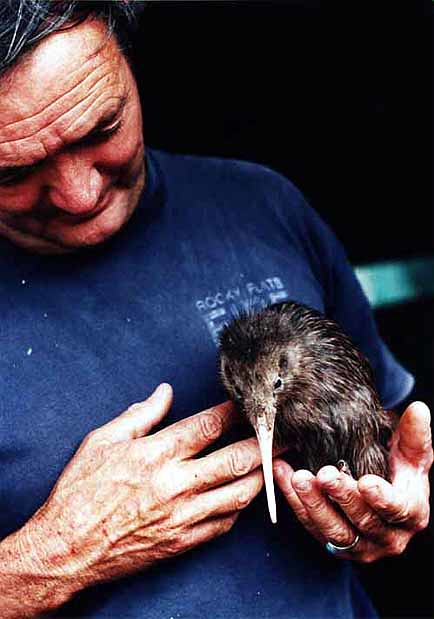
Essentially, the more a species ‘belongs’, the more they are either all or a combination of the following: 1) being native, 2) controllable, and/or 3) valuable/worthy to human society. The perfect example of meeting all of these is are kiwi, the flightless birds that are iconic to New Zealand. For kiwi, they are 1) native, 2) controllable (in that they cannot fly), and 3) are valuable/worthy for their rarity and status as symbols of ‘Kiwi’ identity.
The opposite of this is where a species is 1) not native, 2) difficult to control, and 3) not considered valuable/worthy to human society. I argue possums embody all three, and this positions them outside circles of care as they are beings that do not, under any circumstances, get to belong in New Zealand. They are: 1) non-native as they were introduced from Australia (doubly deviant), 2) difficult to control (they live in remote areas of the bush that are very difficult to access), and 3) are not valuable/worthy to New Zealand society (however, their bodies are used for some industries such as dog food3 and the fur/Perino industry4). Other animals, such as rats, also fit into this chart, too, as they are non-native, difficult to control, and are not valuable to New Zealand. This can also be applied to other contexts as well, especially settler colonial contexts, like Canada and Australia. They, too, experienced widespread species introductions for ‘game’, ‘sport’, or ‘resources’, and tend to have similar attitudes to ‘pest’ species.
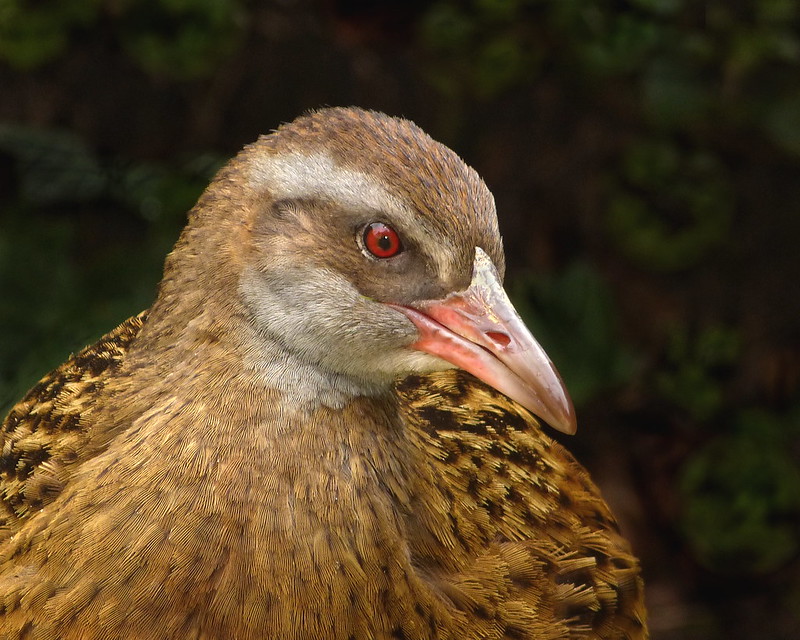
It gets trickier when considering species that overlap in only one or several of the concentric circles in the diagram. A species can be native, but that does not mean they are necessarily controllable or considered valuable. Take the various subspecies of weka, for example. Weka are a group of native bird species in New Zealand, and similar to kiwi, they cannot fly. They are protected under the Wildlife Act, but are sometimes considered a nuisance in society5 for their curious and “feisty”6 behaviours. If I were to place weka in this chart, they are: 1) native, and 2) somewhat controllable (as they cannot fly, but are seen to inconveniently meddle in human spaces), and 3) are somewhat valuable (mainly as they are a native species, but do not inhabit the same sacred space as kiwi).
We can also consider ‘resource’ animals, such as sheep or cattle, and even ‘pets’, like dogs, within this diagram. Many of these are not native to New Zealand, but they are favoured in that they are easy to control (for example, we can erect fences around sheep and cattle, minutely control their breeding through genetic research and artificial insemination, and even put collars and leashes on our dogs to control their movements). How an animal fits into this chart will determine how much they ‘belong’ in a particular space – and different societies, or even different people within the same society, may rate these categories differently.
This post is not to suggest that one species is better than another. Rather, the point is to recognise how fluid these ideas are around animals, and that these ideas are all dependent on human perceptions. The point, then, is to take a pause and think about our relationships with animals and how these labels we give them are influenced by the measurements we afford them. Society often poses the following series of questions: How valuable are you, as a species, to us? Are you easy to control, so that you do not inconvenience us or cause issues with our interests? Are you something of value or worth?

I suggest we consider reworking these questions. How can we be valuable to you? Rather than controlling you, how can we reduce our societal impacts on you? How can we effectively appreciate your inherent value or worth? These aren’t perfect questions, but I think it’s a great place for conservation, and wider society, to start.
References & Notes
1 Note: I use quotation marks to signal that these labels are fluid and are created by society. I use these punctuation marks to intentionally criticise these terms, even while using them.
2 Major, E. (2025). Brushtail possums and species-inclusive social work in Aotearoa New Zealand. Aotearoa New Zealand Social Work, 37(1), 96-108. https://anzswjournal.nz/anzsw/article/download/1174/976
3 Hope, S. (2021, June 27). Growing demand for dog food culls 300,000 possums from New Zealand bush. Stuff. https://www.stuff.co.nz/environment/300338321/growing-demand-for-dog-food-culls-300000-possums-from-new-zealand-bush
4 Murray, S. (2021, April 21). Possum fur paying out more than wool for one sheep farmer. RNZ. https://www.rnz.co.nz/news/country/440921/possum-fur-paying-out-more-than-wool-for-one-sheep-farmer
5 Bendikson, H. (2023, May 27). ‘What the … weka?’ In shops, in gardens, in garages … why weka are wandering Whakatāne. The Post. https://www.thepost.co.nz/environment/350014816/what-weka-shops-gardens-garages-why-weka-are-wandering-whakatane
6 Department of Conservation. (n.d.). Weka. https://www.doc.govt.nz/nature/native-animals/birds/birds-a-z/weka/
Copyright © 2025 Framing Speciesism. All Rights Reserved.
Framing Speciesism will happily authorise credited reproduction of this content, given prior permission has been obtained. Please use the ‘Contact’ tab to inquire about more information.

 Framing Speciesism
Wonderful !! Thanks Emily!
Ngā mihi nui
Nā Ken