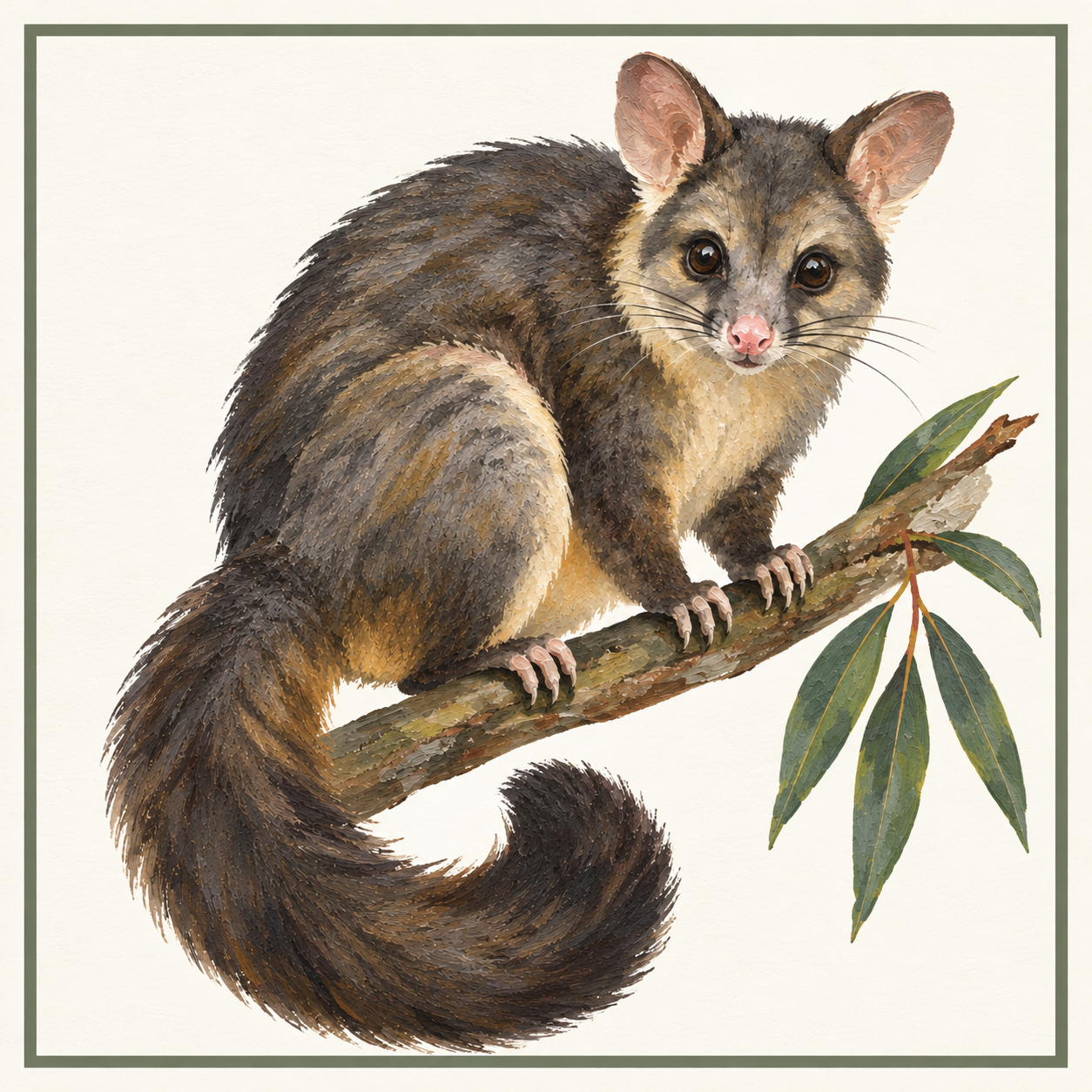
For those just arriving at this website, Framing Speciesism is a research activism blog that explores how we ‘frame’ (or think about) nonhuman animal species. Beginning with my doctoral research on brushtail possums in Aotearoa New Zealand, my work has since expanded to include a wider breadth of species, particularly those labelled as ‘pests’, ‘invasive’, or ‘unwanted’. I am developing Critical Pest Studies, an emerging subfield of Critical Animal Studies that examines how these labels are socially and politically constructed and how they shape public attitudes, policy, and the treatment of animals. Through this work, I challenge the narratives that justify the persecution of certain species and dedicate my research activism to serving animals of all kinds, particularly those who are discarded, exploited, or demonized.
July 26, 2026
Unrelated to my companion feline by the same name (though equally as cute, might I add), the disabled raccoon, Jimothy, has captured the hearts of millions online. Presumed to have short spine syndrome (Tan, 2026), Jimothy has become a viral meme and disability icon (Riggs, 2026). Short-spine syndrome is a congenital condition where an animal’s vertebrae do not develop properly, resulting in the fusing of the spine to create a distinctive, compressed torso and invisible neck.
In a video shared by Instagram user Kiana Hall on July 13, 2026 (Hall, 2026), Jimothy can be seen scampering across a lawn in Seattle, Washington. Kiana, in a subsequent interview with the BBC, was very confused by Jimothy’s species and described him as an “orb with really long legs” (McMahon & Cress, 2026). Since then, Jimothy’s fame has skyrocketed.
The World of Warcraft, an immensely popular online role-playing game, has added a Jimothy character to its repertoire (Connolly, 2026). The Seattle Mariners, a professional American team in Major League Baseball, have adopted him as an honorary mascot (Goodman, 2026). When you Google ‘Jimothy’, an animation of him, with his unsteady gait, runs across the screen (Cross, 2026). Roku, the digital media player and television manufacturer, has hidden a Jimothy character in its Roku City screen saver (Day, 2026). Sephora, the beauty conglomerate, shared an advertisement of Jimothy with the distinctive black and white striped Sephora bag, joking that must be how he gets his smoky eye (Sephora, 2026).
On the surface, Jimothy represents resilience, connection, and humour. The general sentiment is that he is weird, but he’s thriving. He’s described as being “what the internet needs right now” (Manikavasager, 20266, title). His existence inspires admiration, compassion, and countless messages of light-hearted support from people around the world. I feel myself also getting caught up in it, too. How can you not with that little fluff of fur?
However, Jimothy’s popularity also highlights an important contradiction that I can’t stop thinking about.
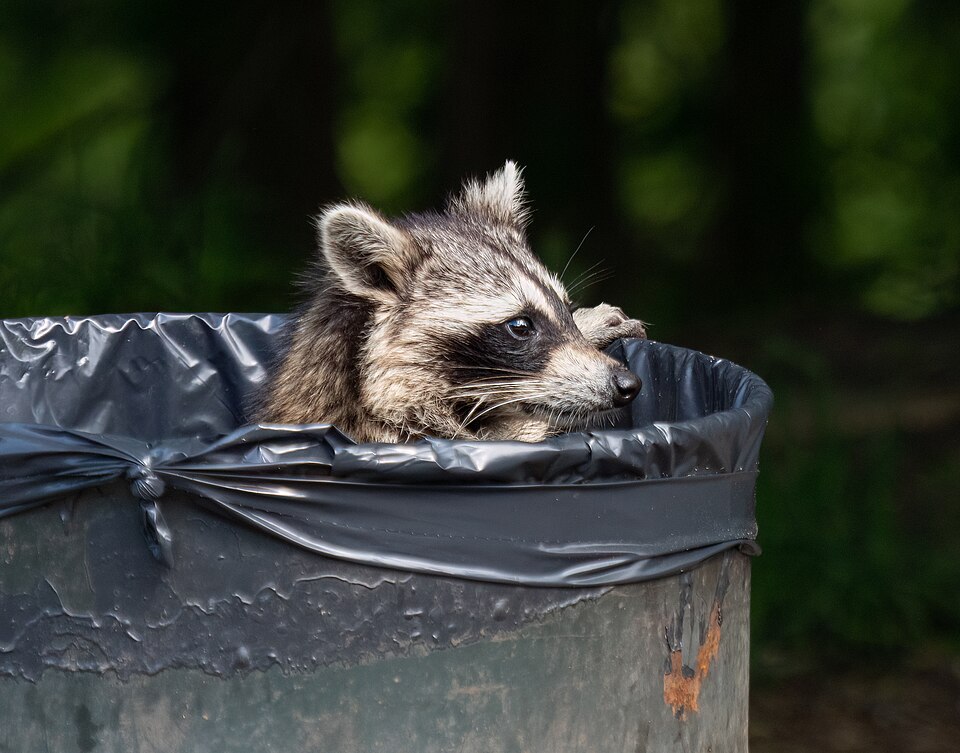
Raccoons are often labelled as ‘pests’ or animals portrayed as nuisances, disease carriers, or threats to human spaces. They are considered “nature’s monsters” by some (Jones, 2015, title). In Canada, where I’m from, raccoons are legally protected under provincial and territorial legislation as native furbearers; however, with special permits, they can still be hunted and killed. Mainstream ‘pest’ control here includes deterrence, exclusions or barriers, and professional ‘pest’ removal. In other countries, such as Belgium, raccoons are an invasive introduced species and are actively trapped and killed similarly to brushtail possums. Their existence is framed by some Belgians as an intentional invasion which humans must counter (Terra Daily, 2026). Yet Jimothy, a member of that very same species, is celebrated precisely because people have come to know and appreciate him as an individual.
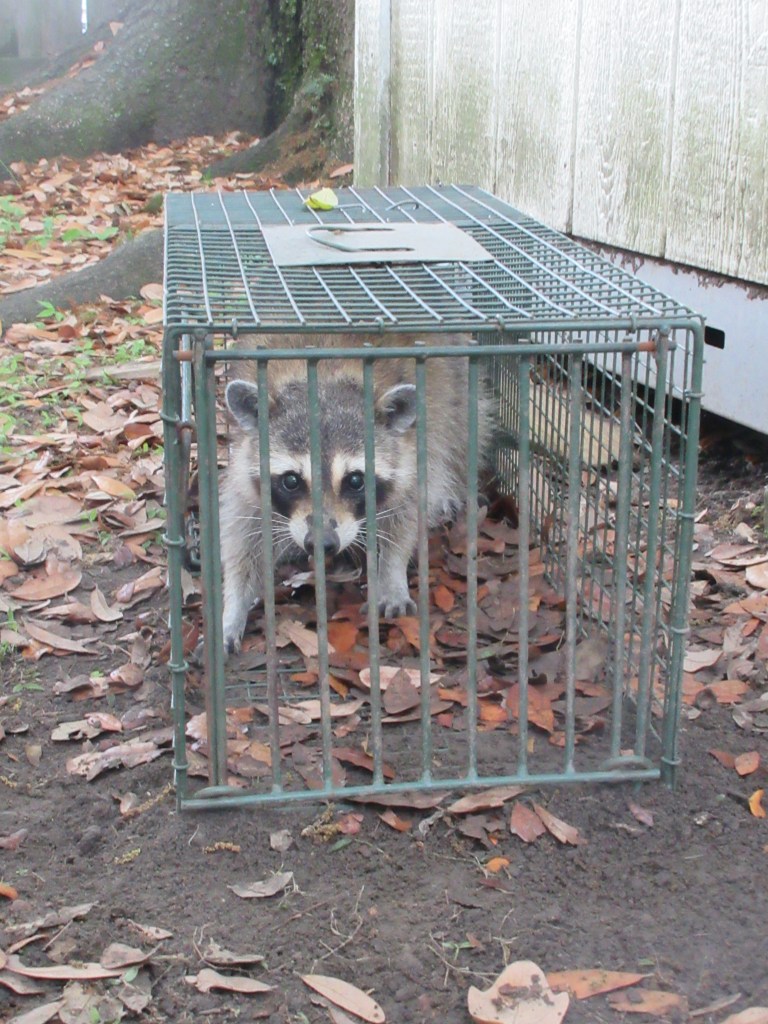
This is where Critical Pest Studies (CPS) offers a useful perspective. The theory (introduced here) examines how labels such as ‘pest’, invasive’, and ‘unwanted’ are socially and politically constructed rather than objective biological facts. CPS asks why some animals are viewed as disposable while others become worthy of care, protection, and even a form of celebrity. Jimothy’s astronomic rise to fame is the perfect example to show how this ‘pest’ label is entirely a construct made by humans. Attitudes can be changed on who is or is not considered a ‘pest’, which ultimately influences how they are treated.
Jimothy reminds me that species labels are never the whole story. Once an animal is given a name, a face, and a narrative, our relationship with them changes. We begin to see (or project) personality instead of stereotype, (assumed) vulnerability instead of nuisance, and an individual life instead of an anonymous member of a ‘problem’ species. This newfound attention for Jimothy, while on the surface it can seem positive for him and raccoons, raises very important questions regarding privacy, surveillance, human-wildlife conflicts, and animal celebrity culture. It also makes me very concerned about the impacts of this parasocial relationship on Jimothy as an individual and other wild animals as a result (though this is a discussion for another day).
Of course, Jimothy alone cannot transform society’s view of raccoons. But his story invites us to question why compassion is so often reserved for exceptional individuals while entire populations continue to be dismissed as ‘pests’.
While this is just an initial query into how Critical Pest Studies can be applied in practice, CPS encourages us to ask a simple but powerful question: if a disabled raccoon like Jimothy can inspire so much empathy, what might change if we extended that curiosity and compassion to the countless unnamed animals who never go viral? I don’t have the answer, but it won’t stop me from asking.
References:
Connolly, D. (2026, July 24). Jimothy the Racoon is Officially Coming to World of Warcraft. Vice. https://www.vice.com/en/article/jimothy-the-raccoon-is-officially-coming-to-world-of-warcraft/
Cross, G. (2026, July 22). How to see Jimothy the raccoon scamper across your screen. USA Today. https://www.usatoday.com/story/pets-animals/wildlife/2026/07/22/jimothy-raccoon-google-search/91009026007/
Day, W. (2026, July 22). Internet star Jimothy the raccoon added to Roku screensaver. Yahoo. https://www.yahoo.com/entertainment/articles/internet-star-jimothy-raccoon-added-172533739.html
Goodman, R. (2026, July 21). Meet ‘Jimothy,’ the short-spined raccoon capturing hearts online. Global News. https://globalnews.ca/news/11974238/jimothy-viral-raccoon-seattle/
Hall, K. [@c1vrgr1]. (2026, July 14). For our 13th anniversary, @ehhbahnan and I were graced with the presence of Jimothy the raccoon with short spine syndrome. Praise Jimothy!! 🦝 [Instagram post]. Instagram. https://www.instagram.com/p/DayHOfryG7Z/
Jones, E. (2015, March 25). Raccoons: Nature’s Monsters. Portland Mercury. https://www.portlandmercury.com/general/raccoons-natures-monsters-15250499/
Manikavasager, N. (2026, July 21). WATCH — Why Jimothy is the viral raccoon the internet says it needs right now. CBC Kids News. https://www.cbc.ca/kidsnews/post/watch-why-jimothy-is-the-viral-racoon-the-internet-says-it-needs-right-now
McMahon, J. & Cress, J. (2026, July 24). How Jimothy the raccoon became the internet’s latest animal obsession. BBC. https://www.bbc.com/news/articles/cd0xnge2zx7o
Riggs, J. (2026, July 24). ‘What it means to be human’: Lessons from Jimothy, Seattle’s viral raccoon. UCLA: Newsroom. https://newsroom.ucla.edu/stories/human-lessons-from-jimothy-seattle-viral-raccoon
Sephora [@sephora]. (2026, July 21). Now we know how he got his smoky eye [Instagram post]. Instagram. https://www.instagram.com/p/DbCREyrMB2e/
Tan, C. (2026, July 23). ‘Jimothy’ the raccoon has short spine syndrome – but this condition can affect dogs, too. The Conversation. https://theconversation.com/jimothy-the-raccoon-has-short-spine-syndrome-but-this-condition-can-affect-dogs-too-288270
Terra Daily. (2026, June 25). Belgium struggles with spread of ‘invasive’ raccoons. https://terradaily.com/belgium-struggles-with-spread-of-invasive-raccoons-999/
Copyright © 2026 Framing Speciesism. All Rights Reserved.
Framing Speciesism will happily authorize credited reproduction of this content. Please use the ‘Contact’ tab if you have any questions.



Leave a Reply